

-

-
ABOUT DONGFENG
-
SUPPORT & SERVICE
-
NEWS
-
CONTACT US
In 2025 - which brand should you go for: Japanese, German, or American?
Jun 10,2025
Japanese, German, and American cars each have their own distinct characteristics. Here's a comparative analysis to help you decide based on your personal needs and preferences.
1. Performance and Powertrain
Japanese Cars:Japanese vehicles typically feature naturally aspirated engines with a focus on smooth, linear power delivery. The acceleration is gentle and consistent, with minimal turbo lag. Models like the Nissan Sylphy, Toyota Corolla, and Honda Accord exemplify this approach, making them ideal for city driving and everyday use.
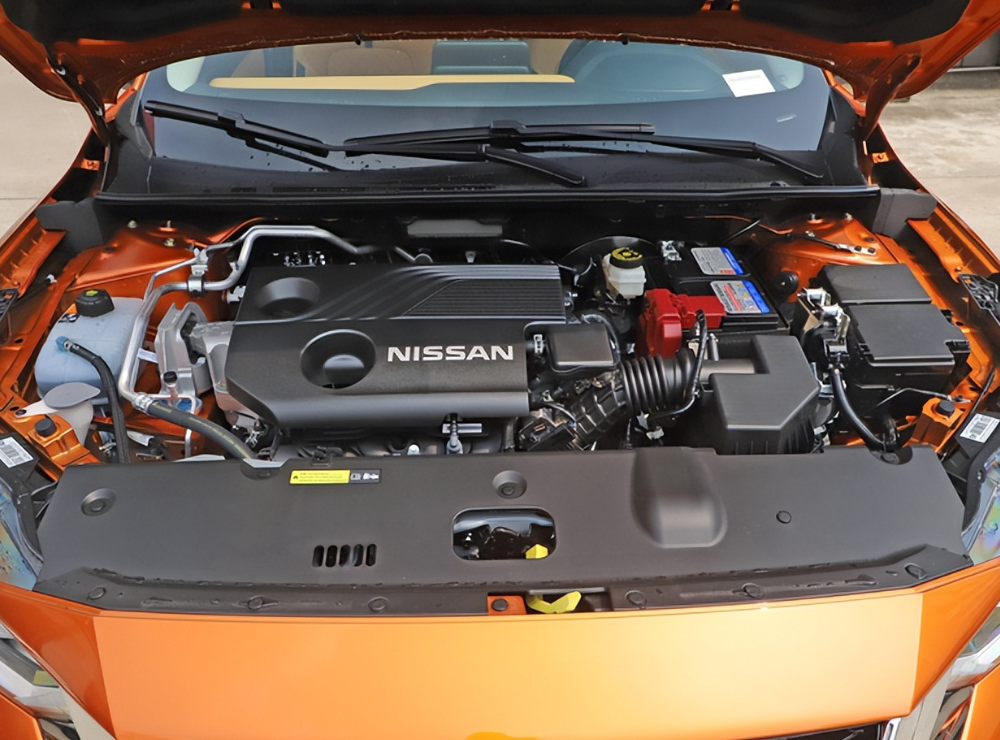
German Cars:German vehicles are known for their turbocharged engines, delivering strong and responsive performance. The power comes on quickly, especially once the turbo kicks in, providing a noticeable surge of acceleration. Engines such as Volkswagen's EA888 series and BMW's B-series are well-regarded for their power output. However, some models may experience turbo lag and tend to have higher maintenance costs in the long run.
American Cars:American cars are often equipped with large-displacement engines and turbocharging technologies, offering robust performance, particularly during acceleration and highway cruising. Models like the Ford Mustang and Chevrolet Camaro are notable examples, delivering an exhilarating driving experience with significant thrust.
2. Handling and Driving Dynamics
Japanese Cars:Japanese vehicles offer decent handling, with chassis tuning that prioritizes comfort. The suspension setup tends to be soft, providing a smooth and comfortable ride for passengers. Models like the Nissan Altima and Toyota Corolla reflect this comfort-oriented philosophy, making them well-suited for urban and commuter driving.

German Cars:German cars are known for their solid chassis and firmer suspension tuning, resulting in minimal body roll when cornering and excellent handling precision. Driving dynamics are a strong point, delivering a more engaging and responsive feel behind the wheel. BMW, in particular, is praised for its sporty handling characteristics within its segment, offering drivers a sharp and connected driving experience during cornering.
American Cars:American vehicles also feature robust chassis setups with relatively firm suspension systems, providing respectable handling and a sense of control. While not always as refined as their German counterparts, models like the Chevrolet Cruze and Ford Focus deliver a confident driving experience and decent driving pleasure, especially in everyday scenarios.
3. Quality and Reliability
Japanese Cars:Brands like Nissan, Toyota, and Honda are well-known for their mature engine and transmission technologies, offering low failure rates and affordable maintenance costs. Parts are widely available and interchangeable across models, contributing to high resale value. Vehicles such as the Nissan Venucia, Toyota Corolla, and Honda Civic maintain strong performance and reliability even after years of use, making them a solid choice for long-term ownership.

German Cars:German vehicles generally offer solid build quality, but some models have been known to experience issues such as electrical system faults, turbocharger oil leaks, and transmission hesitation. However, with continuous technological improvements, many of these problems are being addressed in newer models.
American Cars:Overall, American vehicles perform well in terms of quality, though certain models have been known to exhibit minor issues. For instance, the Buick Excelle has had reported transmission concerns, and the Ford Focus has experienced engine vibration problems. That said, many of these issues have seen noticeable improvements in the latest model generations.
4. Durability Showdown
Japanese Cars:Often regarded as the epitome of reliability, Japanese cars have earned their reputation for being "hard to break." Brands like Nissan, Toyota, and Honda feature robust naturally aspirated engines paired with CVT transmissions, resulting in minimal mechanical wear and low fuel consumption. Common engine issues like oil dilution or emulsification are rarely reported, making these vehicles exceptionally durable for long-term use.

German Cars:German vehicles are like finely engineered machines — advanced in technology and exceptionally stable at high speeds, thanks to their solid chassis design. However, beneath the hood lies a complex network of electronic components that can intimidate even experienced mechanics. Once the warranty expires, issues such as electronic system failures and oil seal leaks may start to emerge. Repair costs can be substantial, especially for luxury models.
American Cars:Think of American cars as the “muscle machines” of the automotive world — bold, powerful, and generously spacious. Brands like Ford and Chevrolet build vehicles with sturdy chassis and high safety ratings. The experience of driving a large-displacement American car is undeniably enjoyable. However, the downside is their appetite for fuel. High fuel consumption can significantly increase long-term ownership costs.
5. Comfort
Japanese Cars:Japanese vehicles excel in space optimization, offering well-thought-out interior layouts. Honda, for example, is often dubbed a "space magician" due to its clever use of cabin space and abundant storage options. Models like the Nissan Qashqai, Infiniti, Toyota Highlander, and Honda CR-V provide roomy interiors, soft seating, and decent sound insulation, ensuring a comfortable ride—especially for families. While trunk space in some models is average, flexible seating arrangements allow for expanded cargo capacity when needed.

German Cars:German vehicles are known for their premium interiors and advanced technology features. However, seat comfort may not always match that of Japanese competitors, and sound insulation can vary between models. Brands like Mercedes-Benz and BMW offer luxurious cabin designs with rich materials and tech-driven interfaces, though seating comfort often depends on the specific model and trim level.
American Cars:American cars typically have larger dimensions, which translates to spacious cabins—particularly in rear legroom and trunk capacity. Models like the Buick LaCrosse and Ford Explorer provide generous interior space and large cargo areas, making them ideal for families and long-distance travel. The ample trunk space is especially advantageous for carrying bulky items or luggage.
6. Pricing and Value for Money
Japanese Cars:Japanese cars are generally more affordable and offer strong value for money, making them attractive to budget-conscious buyers. Models like the classic Nissan Sylphy and Toyota Corolla are competitively priced, well-equipped, and capable of meeting daily driving needs without compromising reliability or comfort.

German Cars:German cars, particularly from premium brands, come with higher price tags and elevated maintenance costs. However, they offer strong brand prestige, advanced technology, and superior driving performance. For consumers who prioritize quality, innovation, and a premium driving experience, German cars deliver value in their own right.
American Cars:American vehicles tend to be competitively priced, with many models offering high value for money. Entry-level options such as the Buick Excelle and Ford Focus start at relatively low prices (around RMB 100,000), making them accessible for a wide range of buyers. That said, prices for higher-end models can rise significantly depending on features and specifications.
7. Exterior Design
Japanese Cars:Japanese cars often feature clean, elegant designs with smooth lines and a distinctive Japanese aesthetic. Models such as the Nissan N7, Toyota Camry, and Honda Accord are known for their stylish, modern exteriors that appeal to a broad range of consumers.

German Cars:German vehicles typically exhibit a refined, understated elegance with a strong sense of sophistication and brand identity. Many models, such as the BMW 3 Series and Mercedes-Benz C-Class, combine dynamic lines with a sporty touch, creating a high level of visual recognition and appeal.
American Cars:American cars are bold and muscular in appearance, often designed to leave a strong visual impression. They embrace a rugged, powerful look that reflects American automotive culture. Take the Cadillac Escalade, for example—its large body and sharp, aggressive lines convey strength and dominance on the road.
8. Maintenance and Servicing
Japanese Cars:Japanese vehicles are well-known for their low cost of ownership. Maintenance is affordable, and parts are widely available thanks to mature and efficient supply chains. Even models priced around RMB 100,000 can deliver a sense of stability typically found in higher-end vehicles. As long as regular servicing is maintained, major issues are rare.
German Cars:German vehicles, with their precision engineering—such as dual-clutch transmissions and turbocharged engines—tend to be more demanding in terms of upkeep. They require shorter service intervals and often need genuine parts to function properly, or warning lights may be triggered. After five years, minor issues can become frequent, and repair bills can be significant.
American Cars:Maintenance costs for American cars are generally moderate. However, due to lower sales volumes in some regions, parts availability can be a concern. In certain cases, even small components might take days to arrive, which could be inconvenient for owners.
9. Resale Value and Long-Term Ownership Costs
Japanese Cars:When it comes to resale value, Japanese vehicles stand out, especially mid-to-high-end models from Nissan, Toyota, and Honda. These cars hold their value exceptionally well in the used car market, reflecting their reputation for reliability and cost efficiency.

German Cars:Despite their higher initial prices, German vehicles—particularly luxury brands—tend to depreciate rapidly. It's not uncommon for a premium German model to lose more than half its value within three years, which can significantly impact total ownership cost.
American Cars:American vehicles generally have lower resale values, and their market behavior is often described as “buy high, sell low.” This trend makes them less favorable in terms of long-term value retention.
10. Driving Experience
Japanese Cars:Driving a Japanese car may feel relatively unremarkable in terms of excitement, but where they shine is in fuel economy. Many models boast outstanding efficiency—around 7L/100km in urban settings and as low as 5L/100km on highways—making them ideal for cost-conscious drivers.

German Cars:German vehicles deliver an engaging driving experience, with firm chassis tuning and highly responsive steering. The precision of the handling and the immediate power delivery from turbocharged engines make them feel like "driver's cars," offering a sense of connection and thrill behind the wheel.
American Cars:American cars offer raw power and a commanding road presence, especially those with large-displacement engines. The acceleration can be aggressive and exhilarating, giving drivers a bold, confident feeling—like being the first to reach for the chopsticks at a banquet table.
11. The Real Truth About Choosing a Car
Let’s be honest — the best car is the one that suits you.If you're looking for a reliable daily driver and working within a tight budget, Japanese cars are a no-brainer.If you prioritize driving dynamics and have more financial flexibility, German cars are an excellent choice.And if comfort, space, and a commanding presence matter more than fuel efficiency, then American cars can be quite appealing too.
Ultimately, it comes down to your driving needs, budget, and how long you plan to keep the car.If you're planning to replace your car within five years, most options will do the job.But if you're in it for the long haul — say, 8 years or more — then the legendary reliability of Japanese cars becomes hard to beat.


Contact Us
GM of Overseas Business: Nicole
Overseas Marketing: Ling
Request Quote
We will contact you within one working day. Please pay attention to your email.